When the words “root canal” are thrown around in the dentist’s office, a patient’s first inclination is typically to head for the hills. This procedure has an unfairly bad reputation, but it may actually be your saving grace if you’re struggling with the excessive pain and sensitivity caused by an advanced dental infection. Dedicated root canal therapy can rescue badly damaged teeth and help them stay a stable part of your smile for many more years to come. Please don’t hesitate to contact Dentistry of Wisconsin if you are experiencing serious oral discomfort – we want to see you for an appointment at one of our two dental office locations as soon as possible.
Do I Need Root Canal Therapy?
Common signs that indicate the need for root canal therapy include:
A constant toothache that isn’t affected or initiated by any kind of activity (eating, etc) in the mouth
Excessive, lingering sensitivity when faced with cold or hot foods
Noticeable pain when chewing food
Gum tissue that is sore and swollen around a specific tooth
Strange tooth discoloration (usually a grayish-black appearance)
How Does Root Canal Therapy Work?
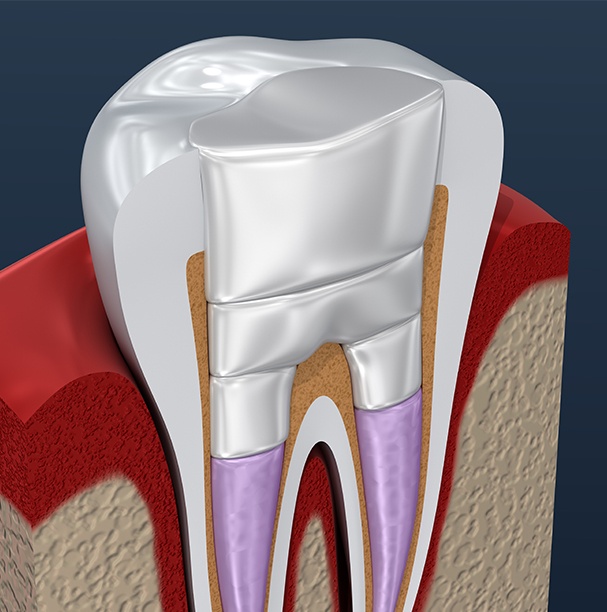
Your natural tooth is composed of several distinct layers. There’s the white enamel that everyone’s familiar with, followed by hard dentin. Finally, there is a soft inner tissue that’s known simply as the pulp. This pulp contains blood vessels, connective tissue, and nerves that were once used to help the adult tooth develop during the patient’s earlier years but aren’t in use once they reach adulthood.
Your tooth’s natural pulp is gathered in the crown of the tooth and also reaches down through the root canals. Root canal therapy becomes necessary when this vulnerable area becomes infected due to advanced tooth decay or a severe injury.
Our dentists will start this procedure by carefully opening the tooth and using special instruments to eliminate the infected pulp within. They will replace it with a safe, biocompatible substitute, thoroughly clean the inner area, and then seal it shut to prevent further damage. The final touch of the procedure is a new dental crown or filling, which is placed over the treated tooth to protect it and bring back its full ability to function.
Does Root Canal Therapy Hurt?
At Dentistry of Wisconsin, our team hears this question a lot from nervous patients and their families. We’re happy to let you know that there’s nothing to worry about! The pain that most people associate with root canal therapy actually comes from the infection itself, which is what this treatment is designed to relieve. Plus, with today’s modern technology and anesthesia techniques, we can minimize any procedural discomfort to the lowest levels possible. Most of our patients say that root canal therapy feels similar to receiving a regular filling.
Following root canal therapy, your tooth may feel sensitive or simply “off” for the next few days. These sensations shouldn’t be too distracting, and over-the-counter or prescription painkiller medications can be a big help. If you are experiencing any kind of severe pressure or pain, though, this is not normal – please contact us in Waupun or Beaver Dam for help immediately!
Understanding the Cost of Root Canals
Before you undergo a root canal, you’d do well to learn its exact price. Gauging how expensive your treatment will be ensures your care fits your budget. With that said, the cost of root canals varies; you’ll need to consult our team for a precise (and final) estimate. Once you’ve met us in person, we’ll outline your treatment’s cost factors, the potential role of insurance, and even some payment options. For more details, please keep reading or call us.
Factors That Can Affect Root Canal Cost
We’ll assess your tooth at your consultation, doing so through an oral exam. This process lets us check factors that affect your root canal’s cost, including:
Care Complexity – In general, a root canal is pricier when it’s (relatively) complex. A dentist will naturally charge more to compensate for the extra effort.
Tooth Type/Location – The affected tooth’s type and location also impact the price of a root canal. Some teeth have more roots than others, and these kinds naturally cost more to treat.
Need for “Extra” Services – Following a root canal, some patients require a dental crown or filling. These “extra” procedures (when done) raise the final treatment price.
Is it Cheaper to Pull My Tooth?
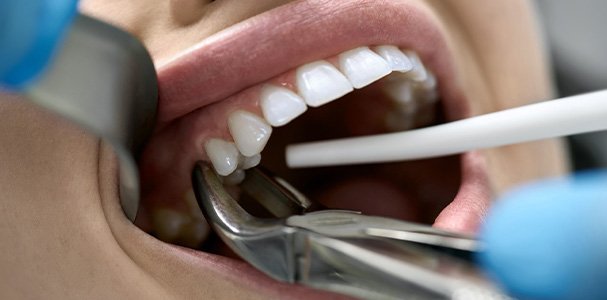
Tooth extraction isn’t the most cost-effective option, despite its low upfront price. The treatment involves more long-term expenses than a root canal does.
Tooth loss always has harsh side effects, regardless of its cause. The condition causes smile gaps that tilt other teeth, worsen your bite, and house harmful bacteria if left untreated. In doing so, it increases your risk of cavities, gum disease, and even further tooth loss. Such complications would lead to hefty costs.
On the other hand, root canals lack such effects. They just save and maintain your teeth, so they don’t leave you with smile gaps that demand pricey follow-up care. That means you should get a root canal before an extraction becomes necessary; you’ll save money that way.
Does Dental Insurance Cover Root Canal Treatment?
Dental insurance almost always covers root canal treatment. Indeed, the average plan sees this procedure as medically necessary; it’ll thus meet anywhere from 50% to 80% of the final cost. All that being said, this arrangement assumes you’ve met your deductible and have suitable benefits.
Exceptions to the facts above also exist, though. There’s a chance your policy doesn’t cover root canals, its coverage is merely limited, and so on. Therefore, please confirm your benefits before you make any treatment-related commitments.
Other Options for Making Root Canal Treatment Affordable
Even without insurance, it’s possible to make root canal treatment less costly. All you have to do is rely on our practice’s helpful payment options. Through these methods, your treatment would become budget-friendly.
One such option is our flexible financing program. Through it, patients can work with CareCredit – a 3rd party lender – to pay for their root canal in small, monthly installments. These payments would involve little to no interest, so they’d keep costs relatively low.
Instead of facing an infected tooth, visit our office for an affordable root canal. We’ll strive to make your care fit your financial needs.